Science and Culture Today
Discovering Design in Nature
Authors







































Today

Modularity: Unexplained by Evolution

Who Pushed the Button?
Dawkins’s Argument for AI Is an Argument for God
Darwin, AI, and the Future of Reason
Who Coined the Phrase “the Magician’s Twin”?

Peering into the Known and the Unknown
Recommended
Hope from Science and Polling on America’s Creed
“Paradigm Shift” on “Genomic Parasites, Junk DNA”
Paper on Human Behavior: No “‘Souped-Up’ Ape”
More Functions Reported for Repeat “Junk” DNA
ID the Future
with Andrew McDiarmid

How Modern Science Resolves the Dilemma Over Evolution
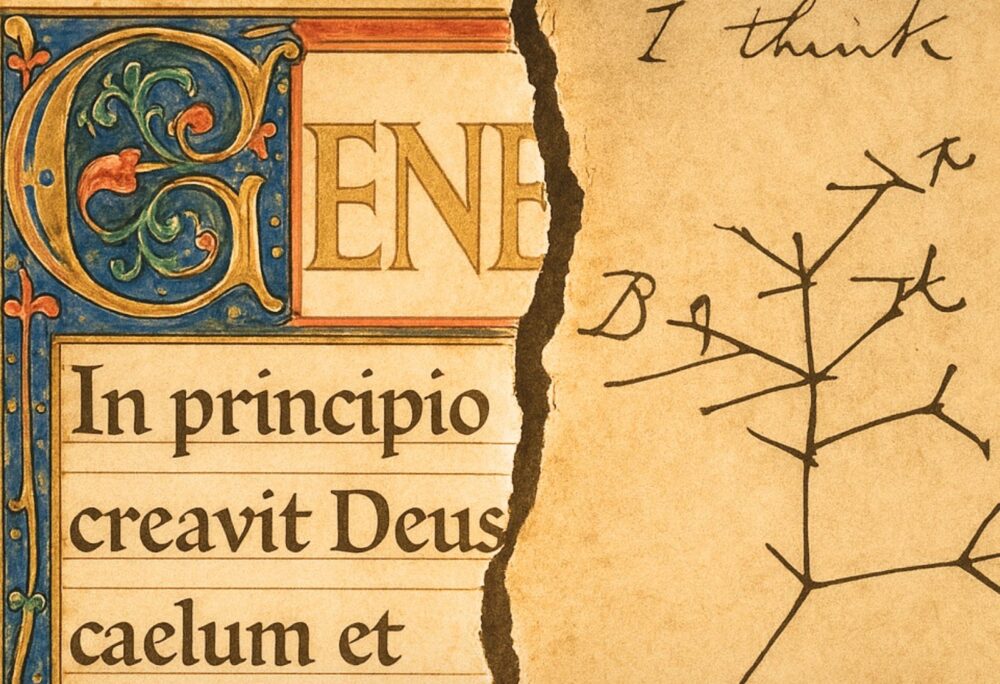
Creation vs. Evolution: Re-evaluating a Catholic Dilemma

As Neo-Darwinism Fails, Vitalism Makes a Comeback
Latest Videos
Is Our Body Perfectly Designed? — Stuart Burgess
Stuart Burgess, an award-winning engineer, argues that biological systems surpass even the best human engineering. As detailed in his book, the human body exhibits “Ultimate Engineering” that operates at near-perfect physical limits. Using examples like synovial fluid, the human foot, and the heart, Burgess explains how biological performance far exceeds human technology and cannot be explained by evolutionary processes.
…
The Twin Pillars of Constitutional Thought with Steve Meyer and Kerby Anderson
Stephen C. Meyer and Kerby Anderson discuss how America’s founders were shaped by a richly theistic, largely Christian worldview that emphasized both human dignity (as bearers of God’s image) and human depravity.
…
Junking the Myth of Human/Chimp Similarity — Casey Luskin
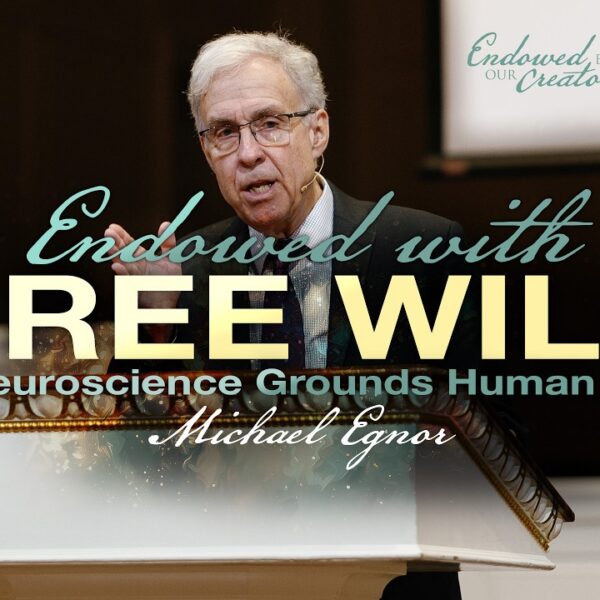
Free Will Won’t Be Vanquished — Michael Egnor
Against the naysayers, neurosurgeon Michael Egnor offers a multi pronged defense of free will, which he defines as the genuine ability to choose among alternatives.
…Intelligent Design
Peering into the Known and the Unknown
Time for a “Disclosure Day” on Design in Nature
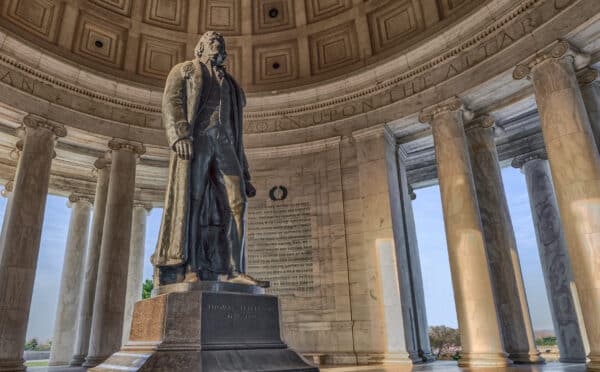
Thomas Jefferson’s Embrace of Intelligent Design
Misinterpreting Teleology
Historical Sciences
Origin of Life
Applying Scientific Method to the Origin of Life
If Aliens Exist, They Were Designed Like We Were
Time Is an Archenemy of Unguided Origin of Life
Evolution
Darwin, AI, and the Future of Reason

Evolutionary Plateaus Do Not Save Evolution
Erasmus and Charles Darwin’s Biblical Indebtedness
Paleontology

Neanderthal Babies Developed Like Modern Humans
Have New Fossil Finds Solved the Cambrian Enigma?
Cambrian Explosion Is Gift that Keeps on Giving
Cosmology
Fantasy in Conformal Cyclic Cosmology
Fashion and Faith in Conformal Cyclic Cosmology
Quantum Mechanics Destroys Classical Materialism
Human Origins
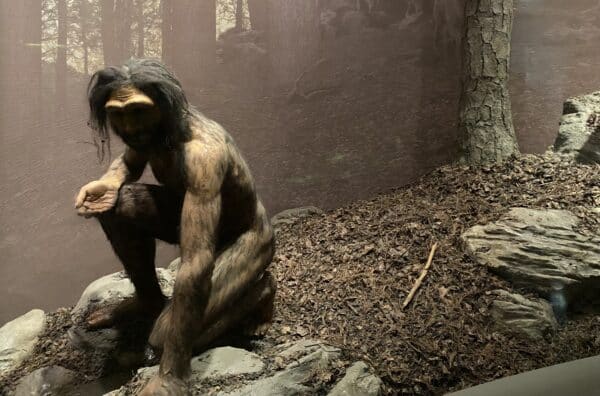
It Was Technology, Not Human Mind, that Advanced

Let’s Catch Up with the Neanderthals!
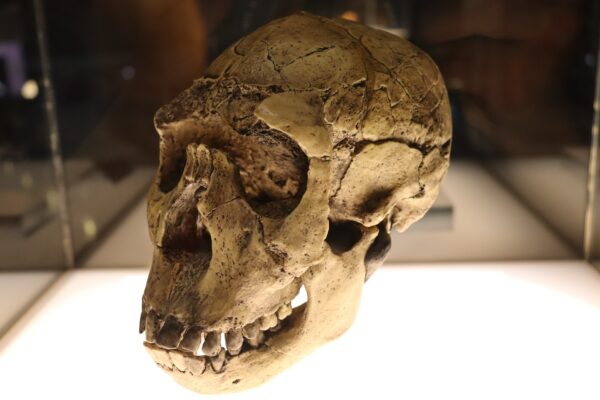
Human Evolution Quote: Grok, Is This True?
Archaeology
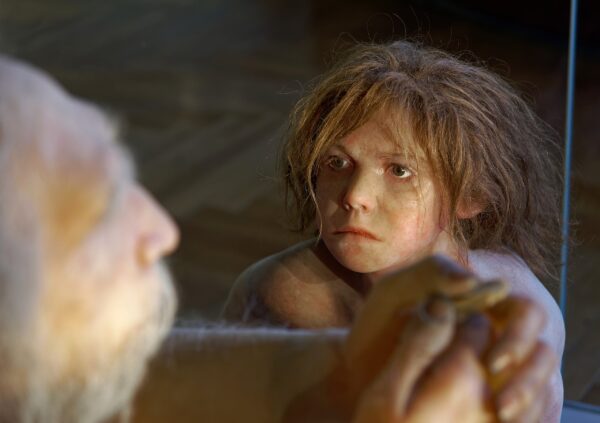
More Discoveries Point to Neanderthal Intelligence
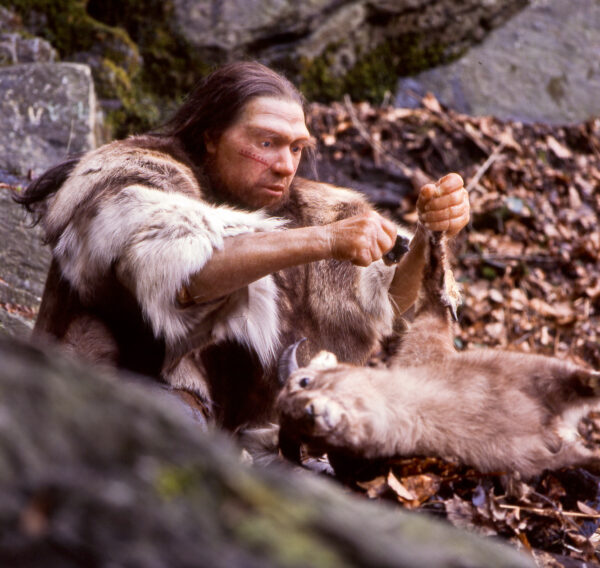
The Joy of (Neanderthal) Cooking
Dallas Conference: Archaeology & the Life of Jesus
History of Science
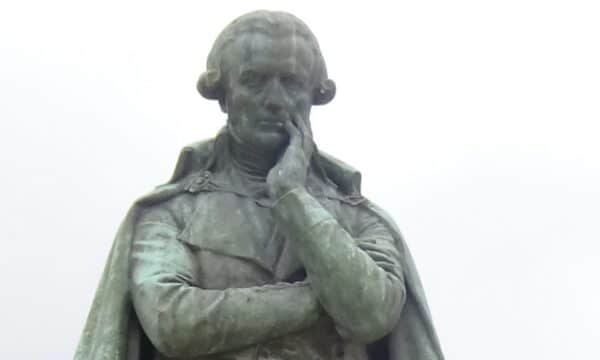
Lamarck’s Contribution to Evolutionary Thought
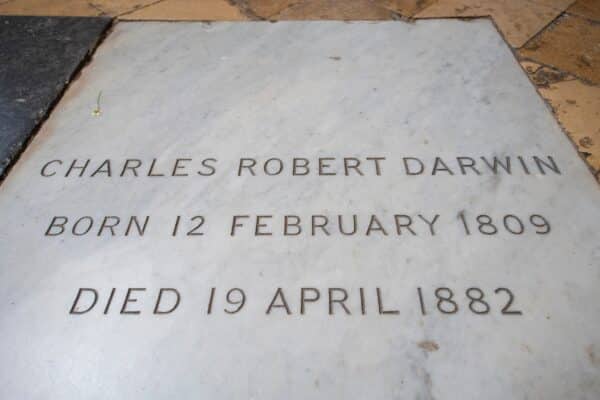
Darwin’s Atheism and a Question of Terminology

Paradigm Lost: Darwinism and the Idea of Progress
Geology

As an Idea, the “Anthropocene” Era Is Dead
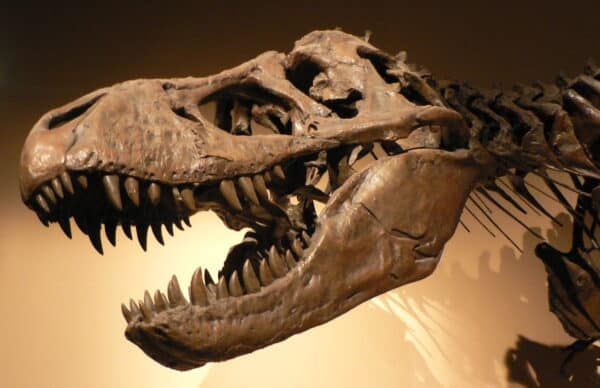
The Wonders of a Hard Mineral
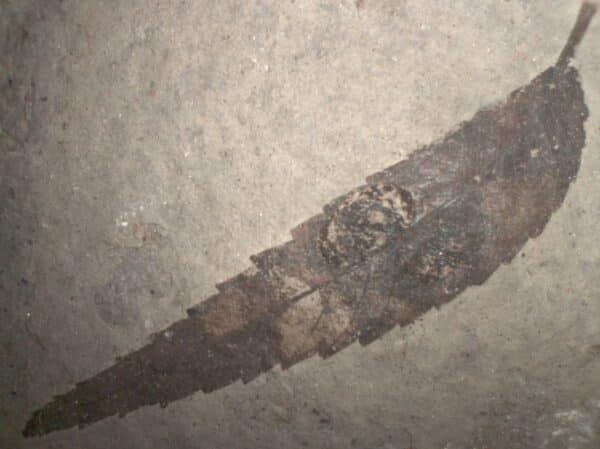
Plate Tectonics and Scientific Discovery
Life Sciences
Life Sciences

The Latest: Plants as “Non-Human Persons”

Fireweed: An Example of Intelligent Latent Design
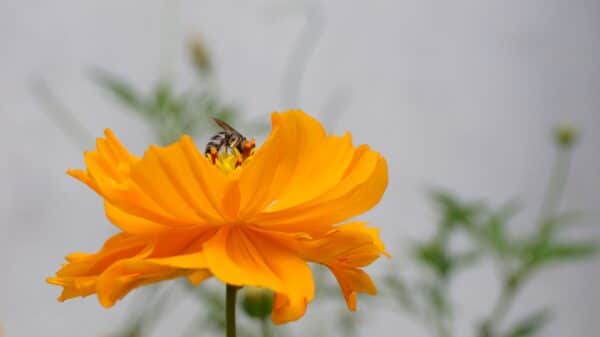
Biological Information in Static Electricity
Neuroscience
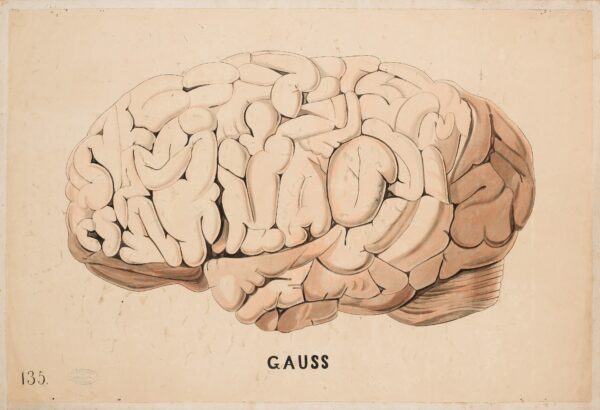
So, Our Brains Evolved “For No Particular Reason”?
Human Consciousness, from Mud to Mind?
Got Any Consciousness Theories? About 325 of Them
Medicine
A Surgeon’s Finger on the Trigger
Is Govt.’s Relationship with Science “Crumbling”?

Mission to Kill Dementia Patients Moves Forward
Biology
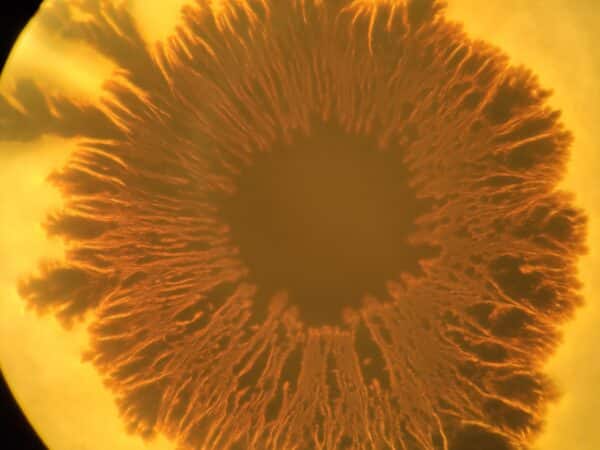
In a Microbe, Crowdsourcing DNA
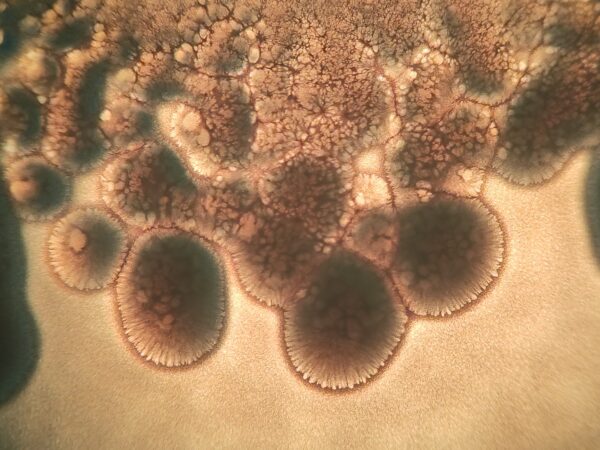
A Microbe’s Decision Pathway
Cellular Design: More than Information
Physical Sciences
Physics
Cellular Design: More than Information
Fantasy in Conformal Cyclic Cosmology
Fashion and Faith in Conformal Cyclic Cosmology
Chemistry

The Messy Reality of Prebiotic Chemistry
Organic Chemistry Without Intelligence

When Science Degenerates into a Spoils System
Astronomy

“Cosmic Signposts” Pointing to Intelligent Design
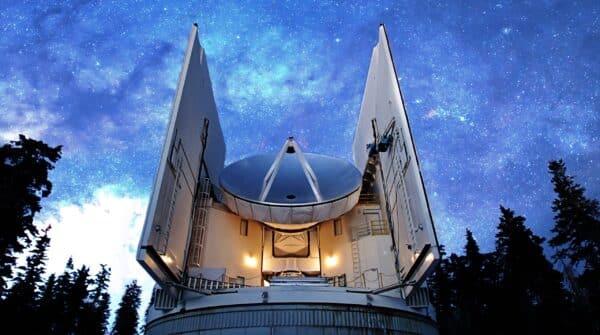
Should Mysterious Signals Be Attributed to ET?

Astrobiology as a Secular Quest for Meaning
Fine-Tuning

Inscrutable Dice and Cosmological Fine-Tuning
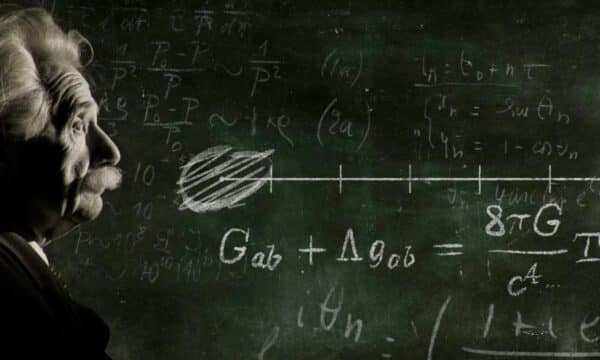
The Story of Everything…or of Nothing?
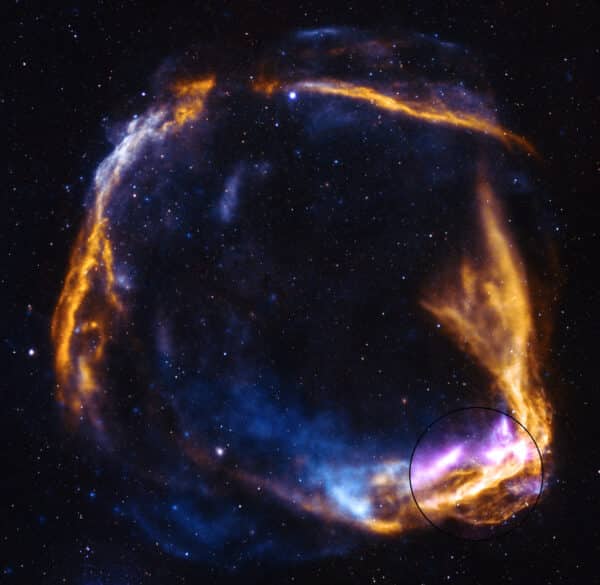
Objective Probability of the Fine-Tuning Evidence
Earth Sciences
Geophysics
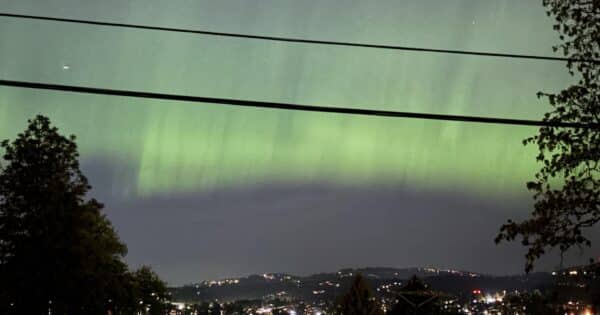
Aurora Borealis: Scientific and Aesthetic Design
Geoengineering on an Intelligently Designed Planet
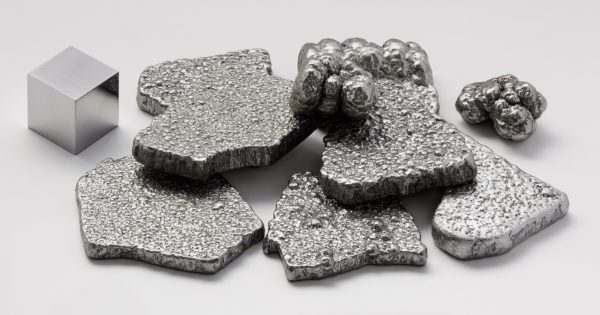
No Iron, No Life: Design in Iron Availability
Environment

Journal Trumpets Glaciers’ “Right to Exist”

Great Science Cancellation Continues

COSM Will Feature Nobel Laureate John F. Clauser
Rare Earth
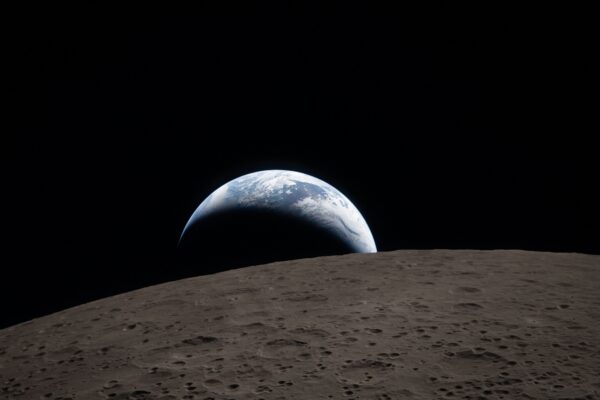
Stephen Meyer on the Meaning of Artemis II Mission

Study: Geological Habitability Parameters
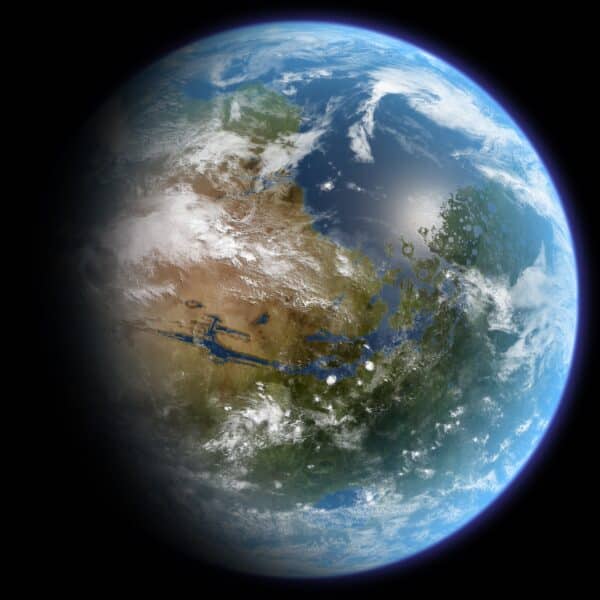
Earth and Mars — A Rare Gem and a Sharp Contrast
Planetology
The Search for ETs: Keeping Hope Alive
Rights for Planets, Moons, and Space Microbes?
Hope for Mars Life Is Dashed Again
Culture
Human Exceptionalism

Tree Rights Advocacy Is Based on Irrationality

Why AI Won’t Replace Us Spiritually

Are We Just Animals? A Tempting Delusion
Arts
The Beauty Enigma: It “Seems to Be Reaching Out to Us”
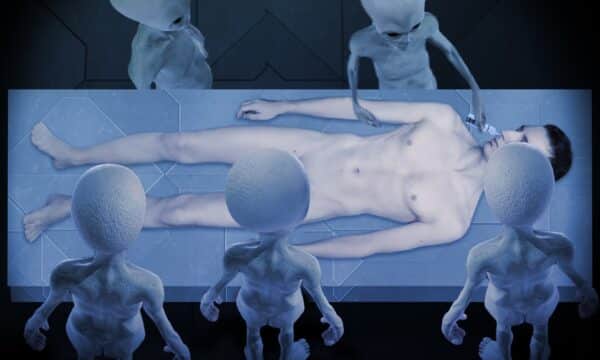
Disclosure Day Is Fun, But It Didn’t Rock My Faith
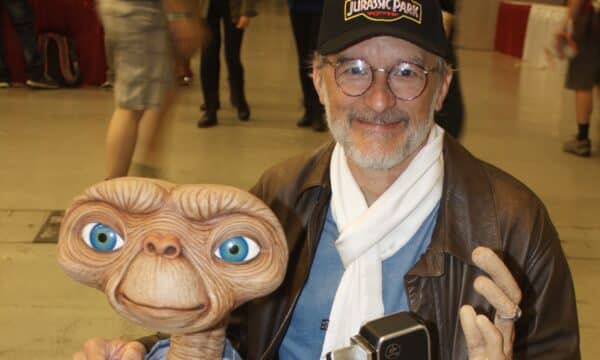
E.T., Phoned In
Ethics
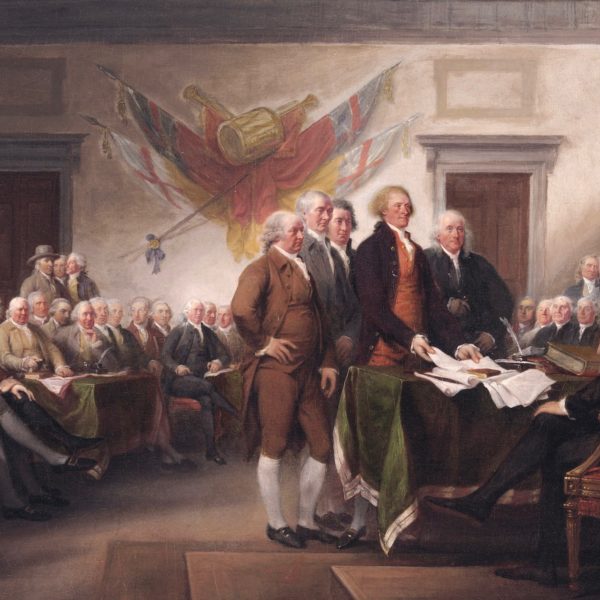
Rights Blessed by God, or Begrudged by Government?
Morality Is Unintelligible Without Free Will

Covert Consciousness Poses Bioethical Dilemmas
Social Sciences
“Malinformation” — Another Sinister Neologism
McGill Refutes Claim that We Have a “Lizard Brain”
Endowed with Spontaneity
Faith and Science
Who Coined the Phrase “the Magician’s Twin”?
A Pagan Religion with Daggers Out for This Tech
Young Benjamin Franklin: Nature’s Good Design
Science Education

“My Public Education Was Ruined,” Weeps Dover Grad

Creepy Crawly Complexity: The Design of Insects

Myth No. 5: “Discovery Supported Dover Policy”
Scientific Freedom
The Wrong Tool to Fix Woke Science Journals

Hysteria in the Science Sector Over DOGE

Stand Up for Science or… for Naked Ideology?
Science Reporting
Wall Street Journal Welcomes Story of Everything
On the Origin of Our New Name